By Nick Phillips
A well-executed renovation adds real value to a 30A property. A poorly planned one adds stress, cost overruns, and timelines that stretch well past what anyone expected. The difference almost always comes down to decisions made before the first wall is opened. Here are five remodeling tips that apply whether you're updating a primary residence or preparing a property for the market.
Key Takeaways
- A clear scope defined before hiring anyone prevents the scope creep that derails most renovation timelines and budgets
- In 30A's coastal environment, material selection matters — what works inland often fails against salt air, humidity, and UV exposure
- Kitchens, bathrooms, and outdoor living spaces deliver the strongest returns in this market
- Unpermitted work creates title and resale complications in Walton County that are never worth the time saved
1. Define the Scope Before You Do Anything Else
The most expensive word in any renovation is "while." Each addition feels small in the moment and significant on the final invoice. A clearly defined scope, committed to before hiring begins, is the most effective cost control available.
How to Lock In Scope Before Breaking Ground
- Write out every element of the project before soliciting a single bid — vague intentions become expensive surprises once work is underway
- Separate needs from wants before the contractor arrives, and decide which items are contingent on the budget remaining after core work is complete
- Get bids based on identical scope — comparing bids written to different specifications tells you nothing useful
- Build a contingency of 15 to 20 percent into your budget — coastal renovations routinely surface unexpected conditions, no bid accounts for
2. Choose Materials Built for the Coast
Salt air corrodes metal, humidity drives mildew into every vulnerable surface, and UV intensity fades exterior finishes faster than most warranties anticipate. Material selection that ignores the coastal environment produces renovations that require replacement well ahead of schedule.
Materials That Hold Up on 30A
- Exterior hardware and fasteners should be marine-grade stainless steel or powder-coated aluminum — standard hardware corrodes visibly within a season
- Exterior paints and finishes require products specifically rated for coastal exposure — standard options fail prematurely against salt air and high UV
- Flooring in moisture-exposed areas should be porcelain tile, sealed concrete, or engineered hardwood — solid wood moves with humidity in ways that cause long-term problems
- Outdoor structures benefit from composite or aluminum over wood, which requires intensive maintenance to remain presentable in this climate
3. Prioritize the Renovations That Move the Needle
Not every renovation delivers equal return. In 30A's luxury market, buyer expectations are specific enough that some improvements matter considerably more than others.
Where to Focus Renovation Investment on 30A
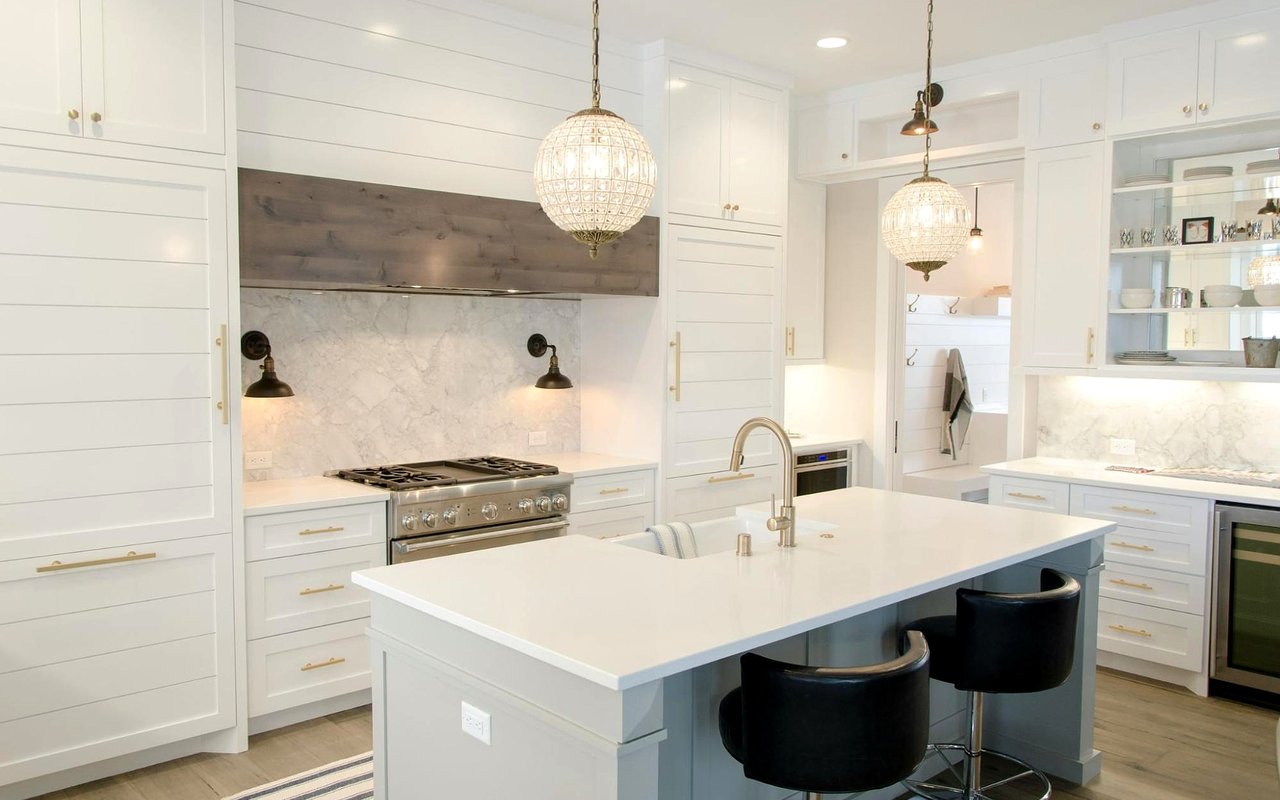
- Kitchens with professional-grade appliances, stone countertops, and an indoor-outdoor connection reflect how buyers here want to entertain
- Primary bathrooms with spa-caliber finishes — large format tile, frameless glass showers, freestanding tubs — are among the most scrutinized spaces in any luxury showing
- Outdoor living improvements, including covered porches, summer kitchens, and pool additions, deliver strong returns in a market where year-round outdoor use is a lifestyle expectation
- Impact windows and doors command buyer attention in Florida — they reduce insurance costs, improve efficiency, and signal a code-compliant home
4. Get the Permits
Unpermitted work surfaces at the worst possible time — during a buyer's inspection or title review. Walton County enforces permitting on structural, mechanical, electrical, and plumbing work, and coastal improvements often require additional review.
Why Permits Matter More Than Most Owners Realize
- Unpermitted work can trigger required remediation at the seller's expense before a transaction can close
- Insurance claims related to unpermitted work are routinely denied
- Buyers in 30A's luxury market pull permit history as standard due diligence — gaps create doubt that affects offer strength
- A clean permit history confirms improvements were inspected and built to code, which reduces buyer risk and supports value
5. Think About Resale From the Start
Design choices made during a renovation affect what the property commands when you eventually list — even if a sale is years away.
How to Renovate With Resale in Mind
- Neutral coastal palettes in soft whites, warm greiges, and natural tones photograph well and appeal broadly
- Quality over quantity in finishes — fewer, better selections outperform budget spread thin across too many upgrades
- Maintain architectural consistency throughout — mixing design vocabularies creates a home that feels assembled rather than considered
- Document every improvement with receipts, permits, and photos — a renovation file handed to the listing agent is a tangible demonstration of investment and care
FAQs: Remodeling Tips
How do I avoid going over budget?
Define the scope completely before hiring, build a 15 to 20 percent contingency, and require written change order approval before additional work proceeds.
Which renovations have the best ROI on 30A?
Kitchens, primary bathrooms, outdoor living spaces, and impact windows consistently deliver the strongest returns in this market.
Do I need permits for cosmetic work on 30A?
Paint, flooring, and hardware generally don't require permits. Structural, electrical, plumbing, and mechanical work usually do. When in doubt, check with Walton County before starting.
Renovate and Sell Smarter with Nick Phillips
The right renovation decisions can meaningfully change what your 30A property commands at sale. I'm a broker associate with Scenic Sotheby's International Realty, specializing in luxury waterfront and lifestyle properties along the Emerald Coast. In 2024, I closed over $84 million in sales, including a landmark transaction of $13.9 million.
I help my clients understand which improvements move the needle — and which ones don't.