By The Nick Phillips Group
Childproofing a home is one of those tasks that feels straightforward until you actually start doing it. A walk through any room with a child's perspective — low to the ground, drawn to anything interesting, with no concept of danger — quickly reveals how many things require attention. Whether you are preparing a primary residence or a 30A vacation home that family visits frequently, the principles are the same. Here is a practical guide to making your home safer for children, room by room.
Key Takeaways
- Most childhood home injuries are preventable with simple, low-cost safety measures
- Water hazards pools, bathtubs, buckets are among the highest-risk elements in any home, especially in coastal Florida
- Furniture tip-over and poisoning are two of the most underestimated hazards in residential spaces
- Childproofing is not a one-time project it requires revisiting as children grow and reach new heights
Start With the Highest-Risk Areas First
Not all hazards carry equal risk. The U.S. Consumer Product Safety Commission identifies several categories that consistently produce serious childhood injuries: falls, drowning, poisoning, burns, and furniture tip-overs. Addressing these first before working through room-by-room details is the most effective approach.
The Highest-Priority Safety Measures in Any Home
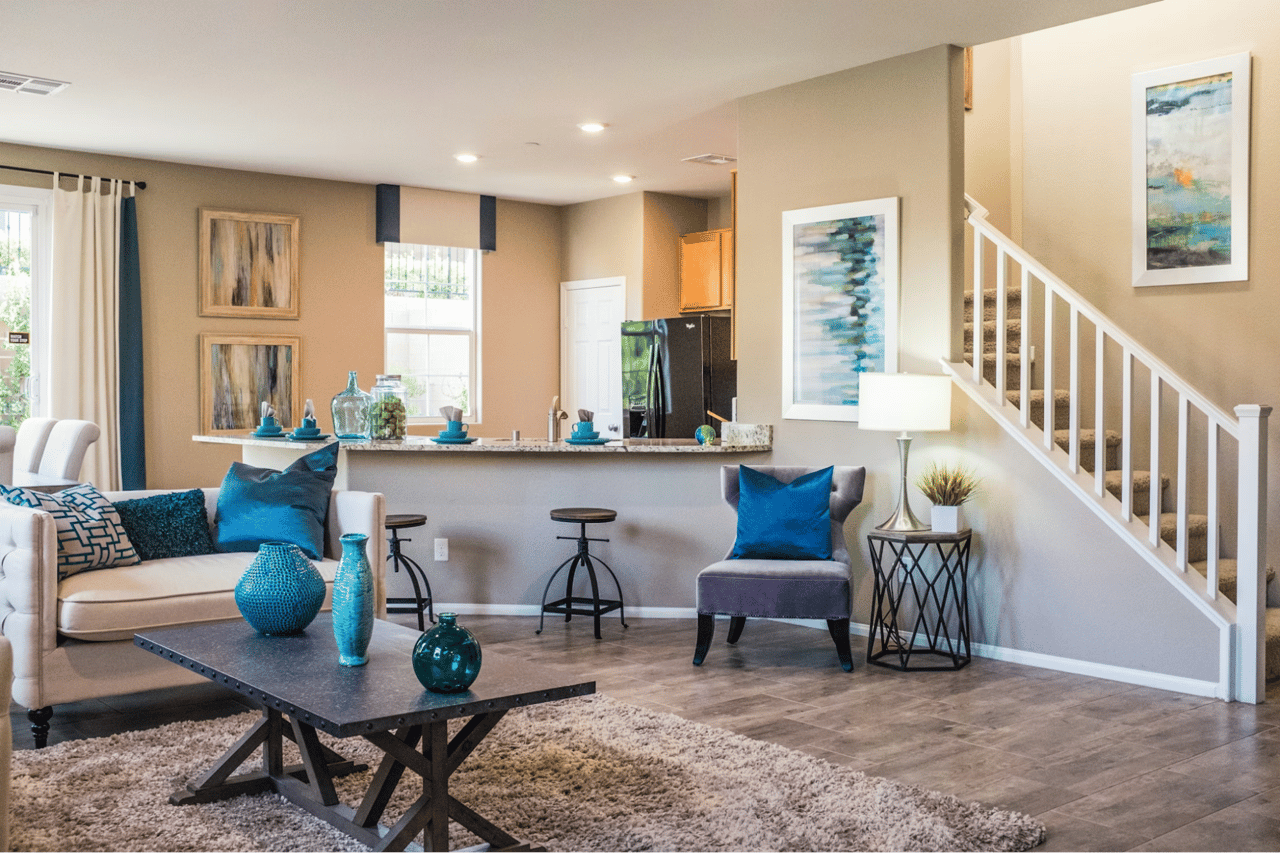
- Install safety gates at the top and bottom of all staircases, using wall-mounted gates at the top
- Secure heavy furniture bookshelves, dressers, entertainment units to wall studs using furniture anchors
- Store all medications, cleaning products, and toxic substances in locked cabinets, out of reach
- Set water heater temperature to no higher than 120 degrees Fahrenheit to prevent scalding
- Install working smoke detectors on every level of the home and carbon monoxide detectors near sleeping areas
These measures address the categories responsible for the most severe injuries and are worth completing before moving to room-specific work.
Kitchens and Living Areas
Kitchens concentrate a large number of hazards: sharp objects, hot surfaces, toxic cleaning supplies, and small items that present choking risks. Living areas tend to have furniture with sharp corners, unstable lamps, and cords from blinds or electronics.
Kitchen and Living Area Safety Steps
- Install childproof latches on lower cabinets containing cleaning products, glass, or anything potentially harmful
- Use stove knob covers or remove knobs when the stovetop is not in use
- Keep knives and sharp tools in locked drawers or high cabinets
- Replace corded window blinds or drapes with cordless alternatives blind cords are a documented strangulation risk
- Anchor tall or narrow furniture, floor lamps, and televisions to walls
In living areas, check for small objects that could present a choking hazard to children under four. The general rule used by pediatric safety professionals is that anything small enough to fit through a toilet paper tube is too small for young children to be near unsupervised.
Bathrooms
Bathrooms combine water, hard surfaces, and a concentration of chemical products, making them one of the higher-risk rooms in any home. Drowning can occur in very small amounts of water even a partially filled bathtub so supervision and barriers matter as much as physical safety devices.
Bathroom Childproofing Priorities
- Install a toilet lock to prevent access when unsupervised
- Use non-slip mats inside the tub or shower and on the floor outside
- Store all medications, personal care products, razors, and cleaning supplies in locked cabinets
- Keep the bathroom door closed or install a door handle cover that prevents children from entering unsupervised
- Set the water heater to 120 degrees or below and consider anti-scald devices on faucets
Bedrooms and Nurseries
In a child's own space, the safety priorities center on sleep environment, furniture stability, and window access. Cribs should meet current Consumer Product Safety Commission standards, with a firm, flat mattress and no loose bedding, pillows, or bumpers. For older children, bunk beds with guardrails and a secure ladder reduce fall risk.
Bedroom Safety Checklist
- Keep the crib away from windows, cords, and any hanging items that could be grabbed
- Secure dressers, shelves, and any tall furniture to the wall
- Install window guards or stops that limit windows to opening no more than four inches window screens do not prevent falls
- Cover all unused electrical outlets with outlet covers or replace with tamper-resistant outlets
- Remove cords from window coverings or keep them completely out of reach
Pools and Outdoor Spaces
Along 30A, where pools are standard features in most luxury properties, pool safety is one of the most critical childproofing topics. Drowning is the leading cause of death for children ages one through four in the United States, and the majority of toddler drownings occur in residential pools. A layered approach to pool barriers is the standard recommendation from both the CPSC and pediatric safety organizations.
Pool and Outdoor Safety Standards
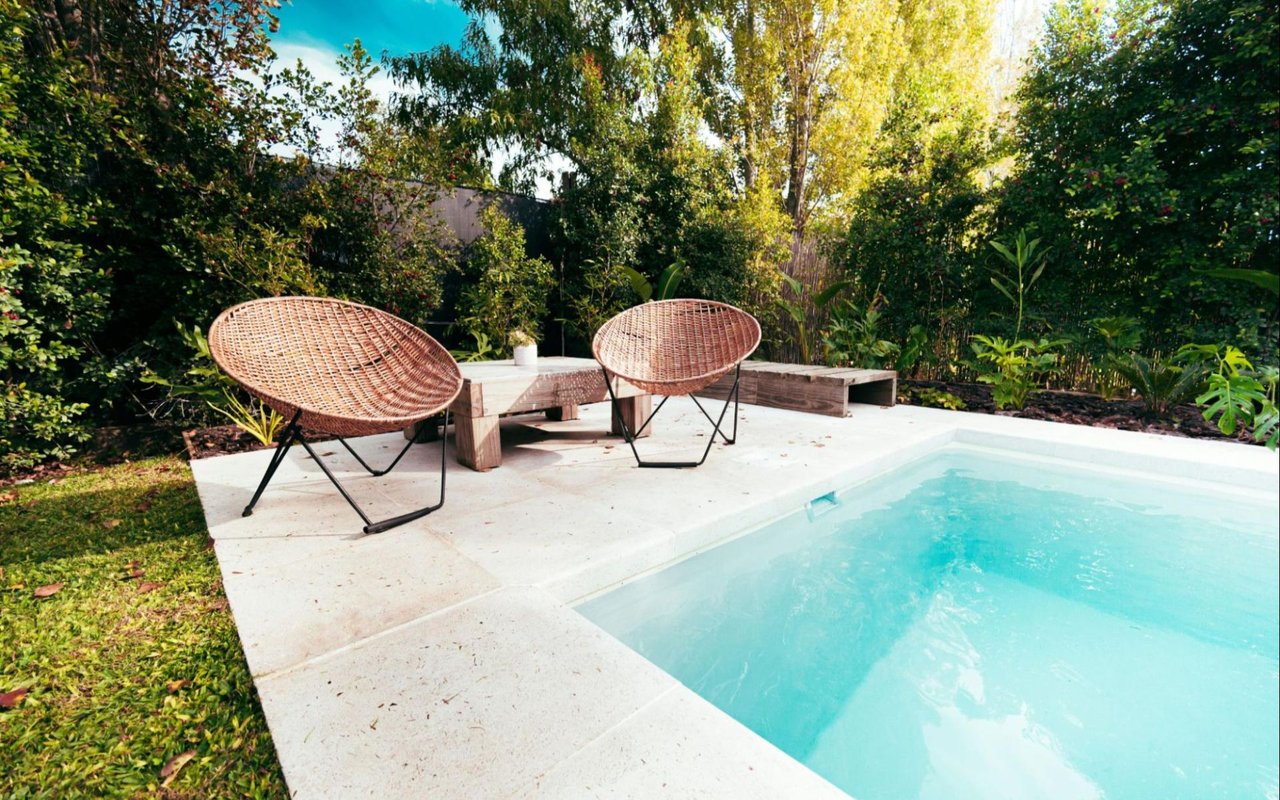
- Install a four-sided pool fence at least four feet high with a self-closing, self-latching gate the fence should isolate the pool from the house and yard
- Add a door alarm on any door providing direct access from the home to the pool area
- Consider a pool surface alarm as a secondary barrier
- Keep pool toys and floats stored out of sight when the pool is not in use visible toys attract children to the water
- Check the yard and garden for poisonous plants and move or remove them from accessible areas
Supervision is the most important pool safety measure, but no layer of supervision replaces physical barriers. Children can move toward water very quickly, and a few seconds of inattention is all it takes.
FAQs
At what age should I start childproofing a home?
Before the child is mobile — ideally before they can crawl. By the time a child is pulling themselves up on furniture or walking along walls, they can already reach surfaces and objects that were previously out of range. Starting before that point builds the habits and systems into the home before they are urgently needed.
Does a home need to be re-childproofed as children grow?
Yes. Revisiting the home at each new developmental stage crawling, walking, climbing keeps safety measures matched to the child's current abilities.
Are vacation homes on 30A that are rented out required to have pool safety fencing?
Florida law requires that residential pools be enclosed by a barrier that meets specific height and gate specifications. For rental properties, these requirements apply and are enforced by local building codes. Any pool at a 30A property whether primary or vacation should meet current Florida pool barrier standards.
Work With The Nick Phillips Group
Knowing a property's features inside and out including what matters for families with young children is part of how we serve buyers and sellers along 30A. Reach out to us, The Nick Phillips Group, and let's talk about what you need from your next property.