By The Nick Phillips Group
Design trends in luxury real estate move at their own pace — slower than fashion, more considered than mainstream home decor. But 2026 has brought a genuinely distinct shift in what high-end buyers want and what the most sought-after properties deliver. Along 30A, where architecture and lifestyle are deeply intertwined, these trends matter both for buyers evaluating properties and sellers preparing to list. Here is what is shaping luxury home design in 2026.
Key Takeaways
- Warm, earthy palettes and natural materials have replaced the cold minimalism that dominated the early 2020s
- Indoor-outdoor integration remains central to luxury design, particularly in coastal markets like 30A
- Wellness-focused spaces — home gyms, spa bathrooms, meditation areas — are increasingly standard in luxury listings
- Concealed technology and smart home systems are defining the most sophisticated properties this year
Warm Materials and Earthy Palettes
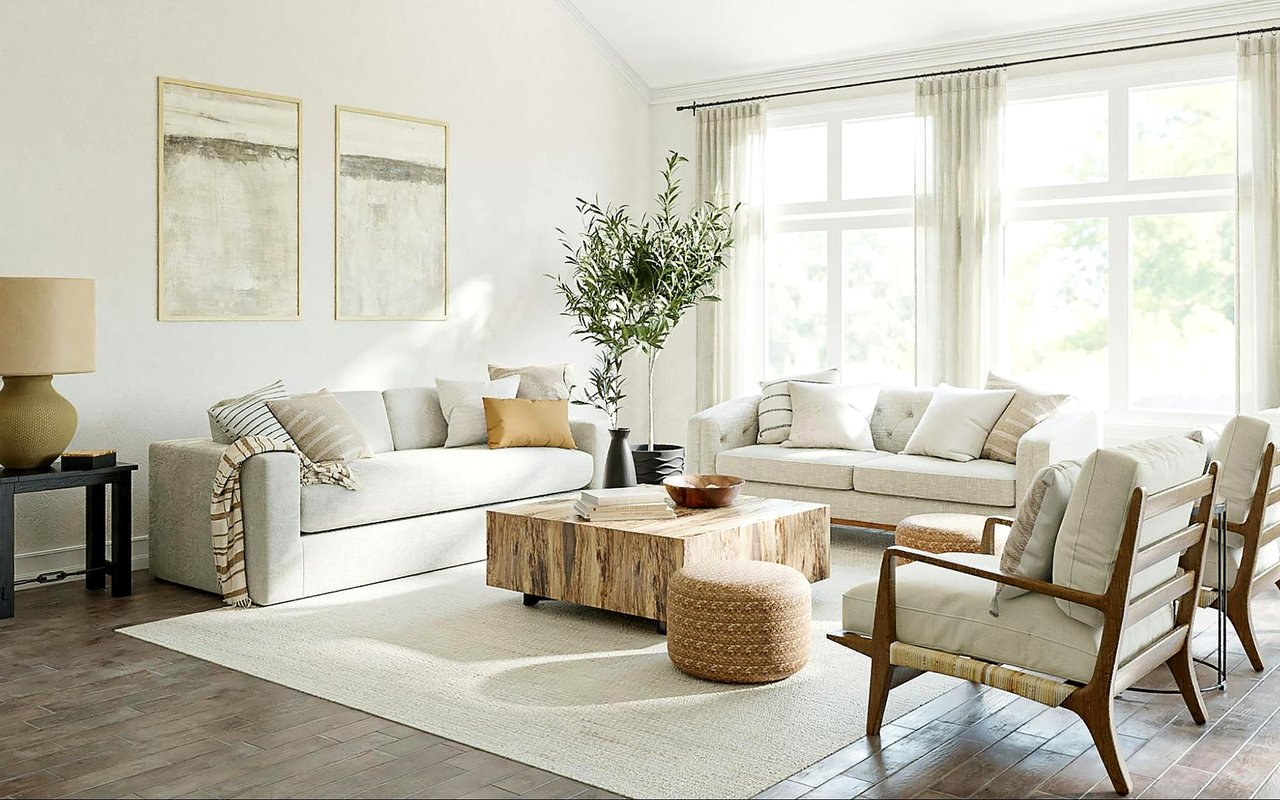
The all-white interior is out. 2026's luxury design language is built around warmth, texture, and materials that feel grounded in the natural world. Terracotta, sage green, olive, warm taupe, and deep navy are replacing the cool grays and sterile whites that defined the previous decade's aesthetic. On 30A, where the architecture already draws from the natural coastal environment, this shift toward warmer palettes feels organic.
What This Looks Like in Practice
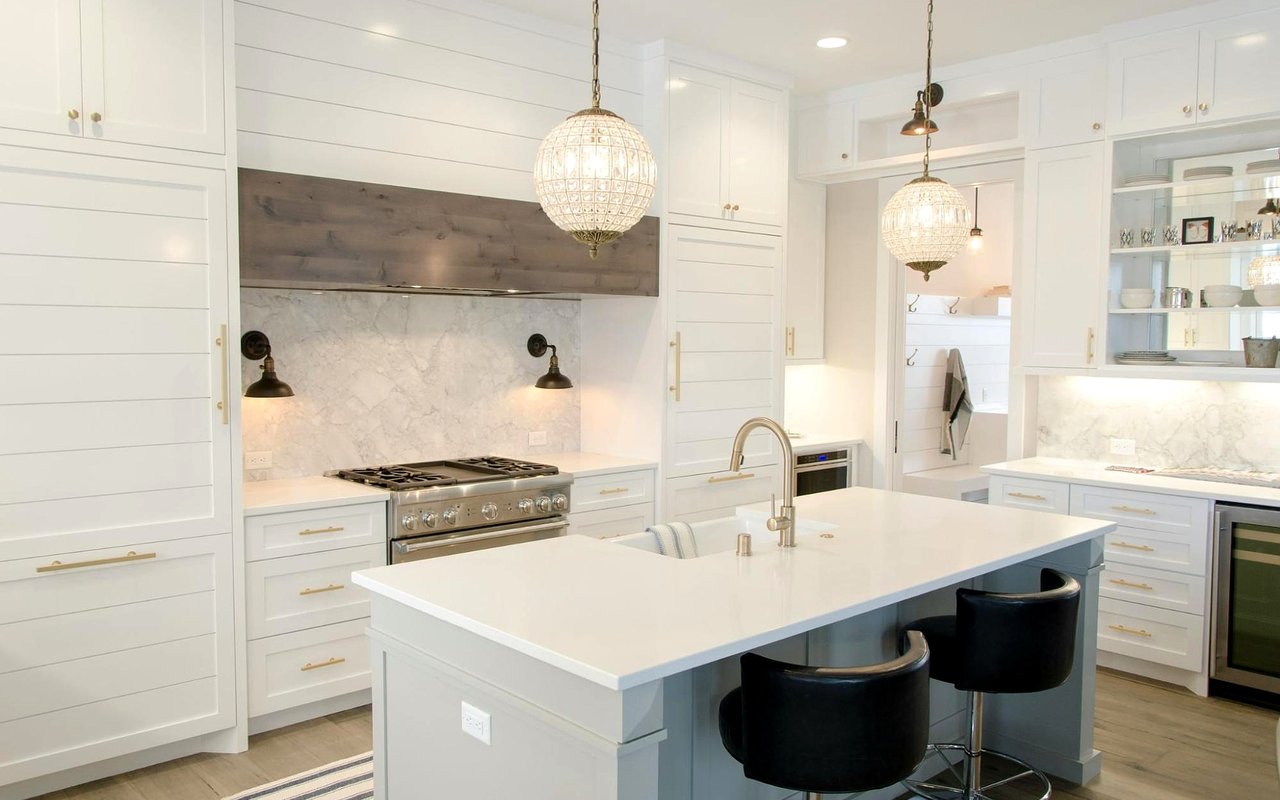
- Natural stone — quartzite, marble, and limestone — used for countertops, fireplace surrounds, and even furniture surfaces
- Warm medium-toned wood cabinetry and flooring in kitchens and living areas
- Organic textiles: linen, wool, and cotton for upholstery and drapery
- Matte black, brushed brass, and bronze hardware replacing polished chrome
The shift extends beyond color to surface quality. Finishes that show the character of their material — textured plaster, handcrafted tile, uneven stone edges — are commanding more attention than the polished, uniform surfaces of a few years ago.
Indoor-Outdoor Integration
Coastal properties have always connected interior and exterior space, but the 2026 standard has raised the bar considerably. The most desirable luxury homes along 30A are designed so that the line between inside and outside nearly disappears. Retractable glass walls, covered Gulf-facing loggias, and outdoor kitchens that go well beyond a basic grill setup are defining what buyers consider premium.
Features That Define Premium Outdoor Living in 2026
- Full-height retractable glass or folding door systems that open living spaces to the exterior
- Outdoor kitchens with weather-rated appliances, refrigeration, and covered dining areas
- Saltwater pools with integrated spas and sun shelves, designed for year-round use
- Path lighting and fire features that extend outdoor use into the evening
For sellers along 30A, a well-executed outdoor living space is one of the strongest differentiators in today's market. Buyers are purchasing a coastal lifestyle, and the property's ability to deliver that experience every day weighs heavily in the decision.
Wellness-Focused Spaces
Luxury buyers in 2026 are investing in their homes as personal wellness environments. Dedicated gym spaces with high-quality equipment, spa bathrooms with soaking tubs, rain showers, heated floors, and steam enclosures, and meditation or yoga rooms with thoughtful acoustics and lighting are appearing with increasing regularity in high-end 30A listings. These features are no longer reserved for the ultra-luxury segment — they are becoming expected in the $2 million-and-above range.
Wellness Features Buyers Are Prioritizing
- Spa-caliber primary bathrooms with soaking tubs, rain showers, and heated floors
- Home gyms with proper ceiling height, rubber flooring, and natural ventilation
- Infrared saunas and cold plunge tubs in dedicated wellness rooms
- Meditation or flex spaces with acoustic consideration and controlled lighting
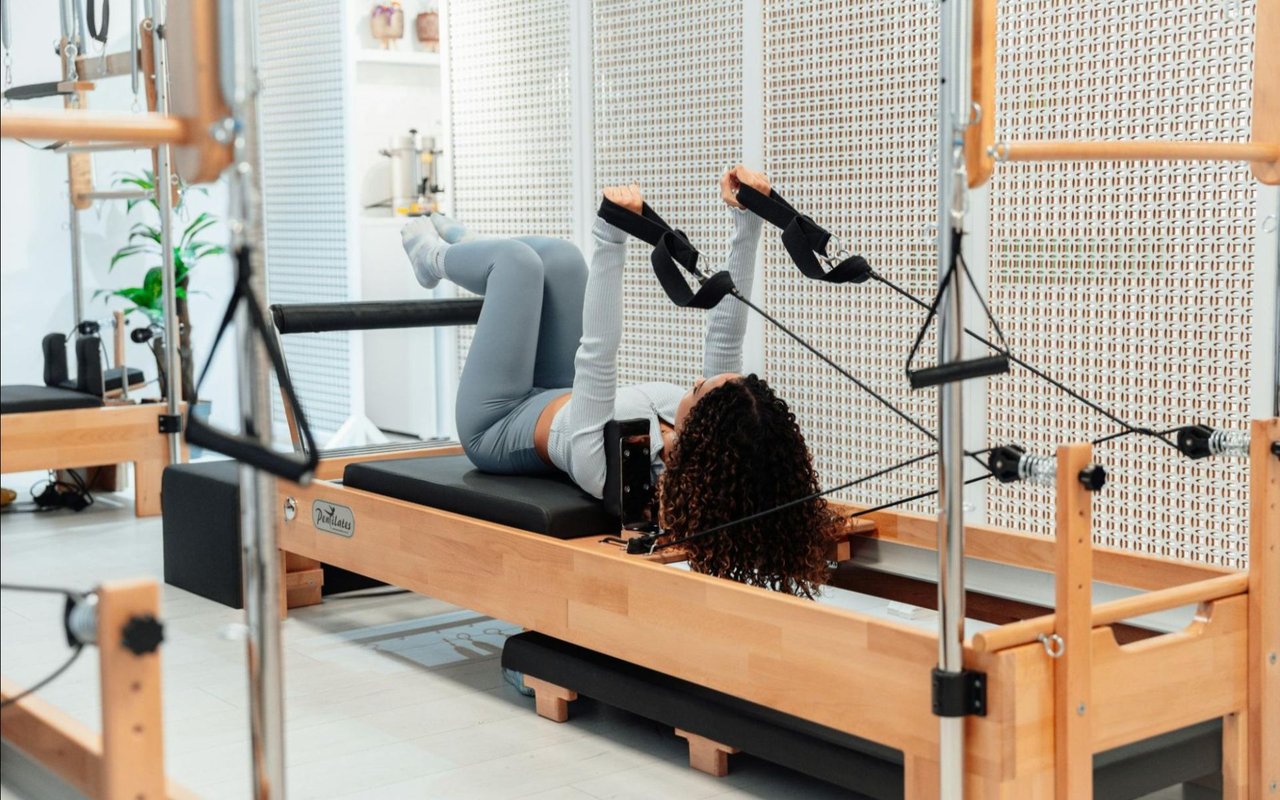
- Spaces dedicated to reformer pilates
The wellness orientation also extends into material choices. Buyers are asking about air quality, natural light, and the health properties of the materials used in construction — a conversation that would have been unusual in luxury real estate a decade ago.
Concealed Technology and Smart Home Integration
The most sophisticated smart homes in 2026 are distinguished by what you cannot see. Whole-home audio systems housed inside walls, motorized shade pockets integrated into ceiling reveals during construction, climate systems that respond to occupancy patterns without a visible thermostat — the goal is a home that performs at a high technical level without asking residents to interact with visible hardware.
What Smart Home Buyers Along 30A Are Looking For
- Integrated audio and video systems with no visible hardware or wiring
- Motorized window treatments built into the architecture, not added to it
- Lighting control systems that respond to time of day and occupancy
- Security and camera systems that are thorough but unobtrusive
For sellers, having a professionally installed and properly documented smart home system adds both value and buyer confidence. An undocumented or aging system can become a negotiation point.
FAQs
Do luxury design trends affect property values on 30A?
Yes, directly. Buyers at the high end of the 30A market are well-informed and deliberate. A home that reflects current design standards — warm materials, indoor-outdoor connection, wellness amenities, integrated technology — commands stronger interest and less price negotiation than one that feels dated. Design signals how a property has been maintained and invested in.
Should sellers update finishes before listing if the home has an older aesthetic?
It depends on price point and condition. At higher price points, buyers often prefer to customize finishes themselves and will discount aggressively for work they anticipate doing. At mid-luxury price points, targeted updates — particularly to kitchens, primary bathrooms, and exterior spaces — can meaningfully affect buyer perception. We work through this analysis with every seller we represent.
Are these trends relevant for vacation homes and investment properties on 30A?
Yes, particularly for properties that participate in the rental market. Renters of luxury vacation properties expect the same design standards they would encounter in high-end hotels. Warm, curated interiors, functional outdoor spaces, and visible wellness amenities directly influence rental demand, rates, and reviews.
Work With The Nick Phillips Group
Understanding how design trends intersect with property values along 30A requires local market knowledge and direct experience with what buyers are actually responding to right now. Reach out to us, The Nick Phillips Group, and let's talk through how these trends apply to your property or your search.